
Advancing metabolic health: Nutrition, microbiome & GLP-1 therapies
Australian/NZ dietitians: CPD hours are applicable.
US dietitians: CPEUs from CDR are NOT available for this symposium.
Check your local country requirements to see if you can claim for continuing education.
About the symposium:
Metabolic health shapes almost every area of dietetic practice, so what does the evidence currently say? This symposium brings together Dr Janet Franklin, Brady Schulz, Dr Matthew Snelson and Dr Brooke Harcourt to unpack the science shaping modern metabolic care. The sessions cover how nutrition therapy, medication and surgery work together in metabolic disease management, measuring health beyond weight, the gut-metabolic connection and metabolic health considerations in adolescents. You’ll walk away with evidence-based strategies to support patients with complex metabolic conditions across a variety of clinical settings.
Agenda:
Balancing the metabolic gains & nutritional risks of incretin therapy
Understand the shared metabolic mechanisms linking nutritional strategies, including VLEDs, with incretin therapy and bariatric surgery. Leave ready to look past weight to liver health, lipids and blood pressure, while protecting nutrition and supporting the whole person.
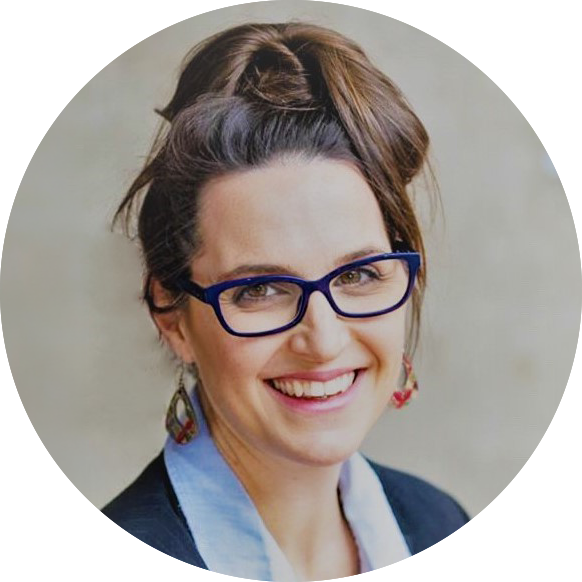
A/Prof Janet Franklin is a senior dietitian, research and clinical placement coordinator at the Metabolism & Obesity Service, RPA Hospital, Sydney. Janet is a member of the Eating Disorders and Nutrition Research Group. Janet has over 25 years of experience working in weight management and her research areas include obesity, very low-energy diets, eating disorders and Prader-Willi Syndrome.

How to read the full metabolic picture
Discover the clinical markers that show meaningful metabolic change beyond body weight, from waist circumference and body composition to blood pressure, HbA1c and lipids. Leave with a simple framework for what to measure, when to re-measure and how to use results to guide care and demonstrate outcomes.
Brady Schulz is the Managing Director of Healthy Lifestyles Australia, a multidisciplinary allied health organisation delivering Dietetics, Exercise Physiology, Diabetes Education and Podiatry across more than 140 Queensland centres. With over 18 years of experience in private and community practice, Brady has helped build and scale services that have delivered more than 585,000 occasions of care. As an Advanced Sports Dietitian, Accredited Practising Dietitian and Accredited Exercise Physiologist, he brings a practical perspective to metabolic health assessment, integrating nutrition, physical activity, body composition and cardiometabolic risk markers into real-world care. Brady is known for translating evidence into practical systems that clinicians can apply efficiently in everyday practice.

The gut–metabolic connection
From short-chain fatty acids to gut barrier function and hormone signalling, research into how gut microbes influence insulin sensitivity, inflammation and cardiometabolic risk is moving quickly. This session turns the mechanisms and recent evidence into practical guidance on where gut-targeted therapies may fit in your approach to metabolic health.
Dr Matthew Snelson is a Registered Nutritionist, an Advanced Accredited Practising Dietitian and Vice Chancellor’s Research Fellow in the Nutrition & Health Innovation Research Institute (NHIRI) at Edith Cowan University. He leads the Gut Homeostasis in Cardiometabolic Health Laboratory, where his research investigates how diet shapes the gut microbiome, microbial metabolism and intestinal barrier function, and how these in turn contribute to the development of hypertension, diabetes, kidney disease and heart failure.

Adolescent metabolic health & family-based care
Supporting metabolic health in adolescence means looking at growth, wellbeing and family life as a whole. This session covers family-based care, psychosocial factors and where newer options such as GLP-1 therapies may fit, weighing up their potential benefits and risks for this population.
Dr Brooke Harcourt is an approachable APD and nutrition therapist with over a decade of experience in infant and child nutrition and metabolism conditions. She is nationally and internationally recognised for her medical research into endocrine conditions having completed research fellowships at the UQ Translational Research Institute, Baker Heart and Diabetes Institute, the Royal Children’s Hospital and Murdoch Childrens Research Institute. Brooke now has a large private practice, Family Dietetics, and a specialised ‘Therapy Kitchen’, where her and the team take a practical approach to attainable nutrition through feeding therapy and food learning programs in a real kitchen therapy environment, and dietetics services at specialist paediatric centres, eating disorder services and the Victorian Department of Corrections and Youth Justice System.
Slides:
Slides from all four speakers are available for download following completion of this evaluation survey at the end of the symposium.
Supported by

Explore the latest science behind Akkermansia and weight maintenance with free clinical resources from Metagenics.
The content, products and/or services referred to in this symposium are intended for Health Care Professionals only and are not, and are not intended to be, medical advice, which should be tailored to your individual circumstances. The content is for your information only, and we advise that you exercise your own judgement before deciding to use the information provided. Professional medical advice should be obtained before taking action. The reference to particular products and/or services in this symposium does not constitute any form of endorsement. Please see here for terms and conditions.
| Continuing Education (USA) | |
|---|---|
| Duration | 3 hours |
| CPEUs Awarded | N/A |
| Performance Indicators | N/A |